The Ganges’ Whisper

Maya traced the outline of the photograph, her fingers lingering on the faded image of her grandfather, a young man with eyes that mirrored the vastness of the Ganges
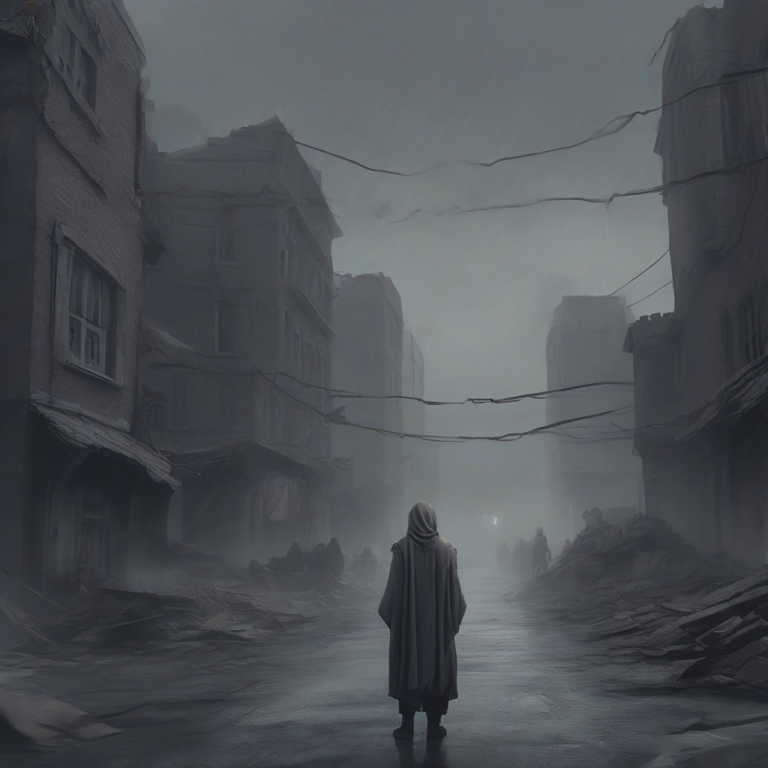
Maya traced the outline of the photograph, her fingers lingering on the faded image of her grandfather, a young man with eyes that mirrored the vastness of the Ganges. He had told her stories of the river, of its ancient wisdom, of the whispers carried on its currents. He’d spoken of the river as a living entity, a repository of memories, a bridge between the past and the present. He’d spoken of the river’s lifeblood, the sweet scent of its water, the delicate dance of its currents. But the city, a sprawling monument to progress, had choked the river, its once vibrant flow now a trickle of despair. The air, thick with exhaust fumes, carried the stench of decay, a stark contrast to the sweet scent of the river she remembered.
A wave of unease washed over Maya. The river, once a source of life and solace, was now a mere whisper, a ghost of its former self. The city, with its towering structures and relentless hum, seemed to absorb the whispers, leaving only a hollow echo. Her grandfather’s stories, once a source of comfort, now felt like a cruel joke. The river, once a living memory, was fading into oblivion, leaving Maya with a void that threatened to consume her.
She stared at the photograph, the image of her grandfather a flickering ember in the darkness. A strange, ethereal hum filled the air, a low vibration that resonated with the faint pulse of the Ganges. It was a whisper, a fragment of a memory, a message from the river, a promise of renewal. Maya closed her eyes, her heart pounding with a newfound hope. The city might have silenced the river’s voice, but it couldn’t silence its spirit. The whispers would return, stronger and clearer, carrying the promise of life and renewal. She would listen, her heart a conduit for the river’s ancient song.
She imagined the river, its waters once flowing freely, now choked by concrete and industry. She could almost hear the lament of the fish, the cries of the birds, the hushed whispers of the ancient trees. The city had stolen the river’s voice, but not its essence. The river, like a patient soul, held onto its memories, waiting for the right moment to rise again.
As she sat there, a strange sense of calm settled over her. She knew the city’s relentless progress wouldn’t stop, but she also knew that the river, like the stories her grandfather told her, was an enduring force. It was a part of her, a part of the earth, a part of the soul of India. And it would not be silenced.
The hum grew stronger, a crescendo of whispers rising from the depths of the earth. The city’s noise faded, replaced by the rhythmic pulse of the river. Maya felt a surge of determination. She would not let the river fade away. She would fight for its revival, for its lifeblood to flow again. She would be its voice, its champion, its witness.
She knew it wouldn’t be easy. The city’s influence was powerful, its hold on the land deep. But she also knew that the river’s spirit was strong, its whispers reaching even the most hardened hearts. She would be a conduit for its message, a symbol of hope for a future where the Ganges would flow freely again.